The world’s richest man enjoys subservience from Southern lawmakers, while wreaking havoc on the earth, air and water.
Everyone is tired of hearing about Elon Musk. But he continues to have an outsized impact globally, nationally, and also specifically in several Southern states.
The theoretical richest man in the world is worth an estimated $840 billion or so at the moment, and in the near future he may become the world’s first trillionaire. That gives him a lot of power, obviously, and that power is compounded in the United States by his close ties to the current Republican Party.
One result is that in Republican-dominated states, including much of the South, the political leadership tends to be deferential to Musk, if not outright subservient to him. And he is taking advantage of that in several ways.
For example, let’s take a look at Austin, Texas, where Musk’s Tesla company opened a manufacturing plant in 2021. Gigafactory Texas, as the facility is known, was originally projected to employ 60,000 people — and in return, received a local tax break of up to 80 percent off its property tax bills. The incentive is worth about $14 million over 10 years.
But the factory has never come anywhere close to 60,000 employees, peaking at a bit over 20,000 employees before a slowdown in Tesla sales led to job cuts in 2024 that was one of the largest mass layoffs in Austin history, and even further cuts in 2025.
By the end of last year, there were about 16,500 employees at the plant. Meanwhile, the Texas Tribune reported last week that the plant continues to increase its water usage, surging to about 550 million gallons last year — making it the third-largest customer of Austin Water, the city-owned local utility.
This growing demand from Tesla has come as Central Texas is experiencing an ongoing drought, compounded by the growth of the Austin metro area in recent decades. Local residents are currently under water-use restrictions that limit them to watering their lawns or gardens no more than twice a week, and those rules could become more severe if the area moves from a Stage 3 to Stage 4 drought, as many experts predict.
Paul DiFiore, an environmental attorney who sits on an Austin water task force, told the Tribune, “It’s extremely alarming. All of a sudden, they’re using more water than the vast majority of people in the city.”
None of that has hampered Musk’s plans to add even more demand to the system. In March, he announced a forthcoming semiconductor fabrication plan near the existing factory, which will require even more water — potentially billions of gallons a year.
——-
Water is also an issue at another Musk project — the controversial XAI data center in Memphis, Tennessee. We’ve talked about this before, in the context of air pollution associated with gas turbines that Musk built — apparently illegally — to help power the massive computing facility, which is aptly named Colossus.
But Colossus also requires water — lots of it — to keep the supercomputer from overheating.
The original plans for the project that Musk and his team presented to state and local officials called for a huge water recycling plant, to allow it to reuse the same water over and over and minimize its impact on local resources.
But on April 9, local Memphis media reported that company officials said the water plant was paused in definitely, while work continues on building the second phase of the project, known as Colossus 2.
XAI and Musk said they weren’t canceling plans for water recycling, just delaying them while proceeding with “more immediate projects at the site.”
In at least the near term, though, that means the plant will be drawing billions of gallons a year directly from the same aquifer that serves the residents and other businesses of the Memphis metro area.
Memphis Mayor Paul Young, who has supported XAI despite the opposition of many local residents and environmental organizations, posted concerns about the delay, saying, “Promises to this community are not optional. A wastewater facility is about protecting our water and our future. I will continue pressing xAI to deliver.”
Despite all of that, in the last two months XAI has gone ahead and filed for local permits for its Colossus 2 expansion plans.
——-
Meanwhile, just two miles across the Mississippi state line from Memphis, another XAI data center is also facing complaints about air pollution and gas turbines.
The company’s new center under construction in Southaven, Mississippi, was heralded in a press release this past January by Governor Tate Reeves, who said it “sets the pace for continued high-tech investments across our state and strengthens Mississippi’s position as a leader in this exciting tech revolution.”
Of course, data centers are not in and of themselves great economic drivers. They can employ hundreds of people during construction, but once they’re up and running they have small staffs relative to their outsize impact on local utilities and the environment.
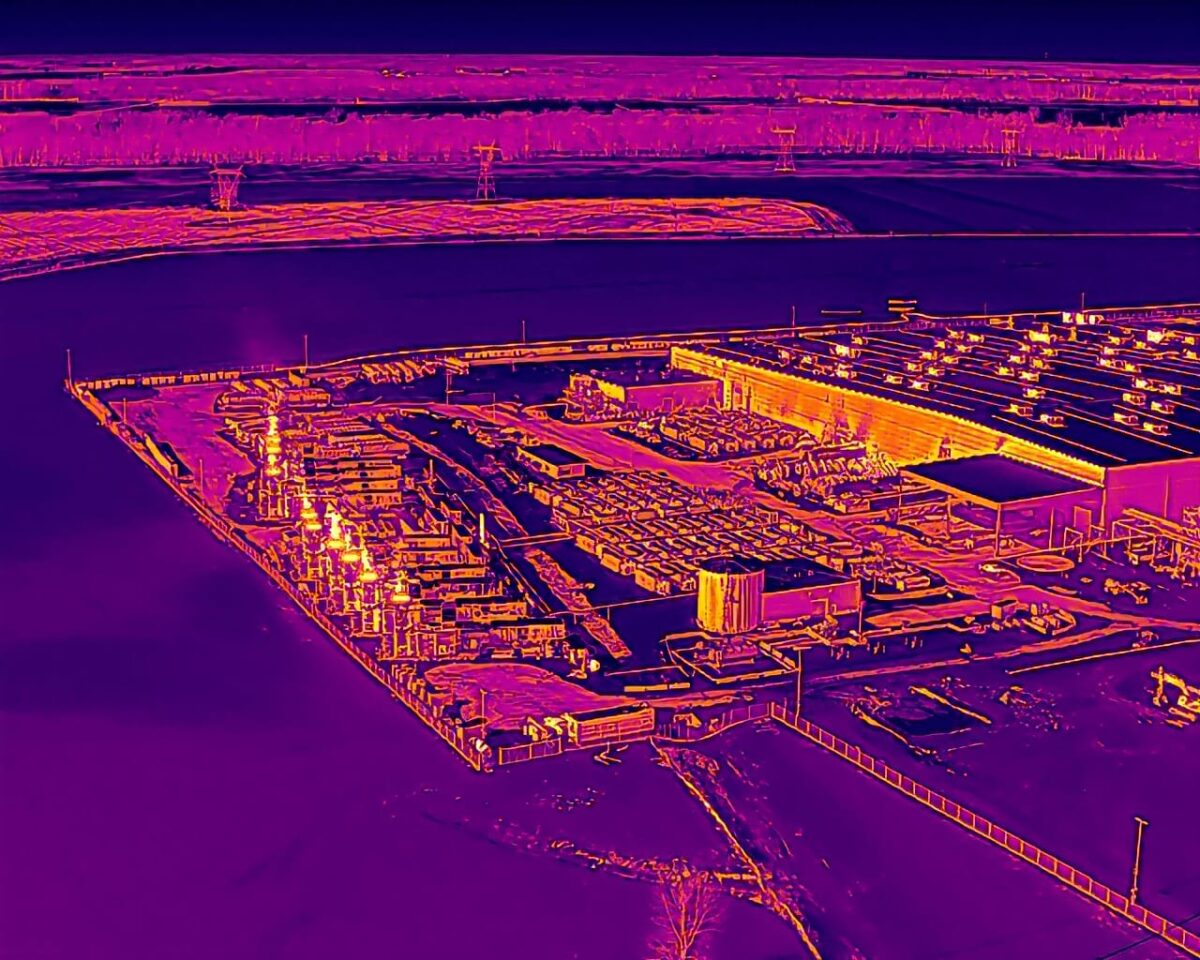
And those impacts are already showing up in Southaven. As at the center in Memphis, thermal imaging with drones has shown more than a dozen gas turbines operating from flatbed trailers at the site, all without state permits.
State regulators have said the turbines being on trailers makes them temporary, and therefore not in need of air pollution permits. But the Environmental Protection Agency has already ruled against that interpretation in Memphis.
In an investigation by the climate-focused journalism site Floodlight, former EPA air enforcement chief Bruce Buckheit said the Mississippi turbines are in clear violation of federal law.
XAI did not respond to the outlet’s request for comment.
The NAACP filed a lawsuit last week against xAI over the operation of the turbines.
——-
Air and water aren’t the only elements Musk is disturbing in his marauding across the South. In Nashville, local residents are worried about the ground, too.
Specifically, the limestone underlying what geologists call the Nashville Basin, and all of the buildings and infrastructure that sit on top of it.
Last year, Musk and state Republican officials announced with much hoopla something called the Music City Loop — an underground tunnel that is planned to run between downtown Nashville and the city’s airport about 13 miles to the east.
It is modeled on an existing loop built in Las Vegas by Musk and his Boring Company. Like that one, the Nashville loop will be for the use only of chartered Teslas, which will drive paying customers into town or out to the airport and bypass the often congested local interstates.
It was announced with almost no serious planning or analysis of the underlying terrain. The state granted the company permission to start digging from a state-owned site downtown, and work commenced almost immediately.
Nashville residents and city officials have raised questions and concerns ever since, about both the benefits of the loop — which they say will mostly serve tourists — and the potential complications of constructing such a long tunnel beneath densely populated areas and busy highways.
Among other things, they have cited more than 800 environmental violations allegedly committed by the Boring Company in its Las Vegas project. In March, the Nashville Metro Council approved a resolution opposing the project on a 20-15 vote.
But the locals have little authority over the project, which is mostly using state right-of-way. And last week, the Tennessee General Assembly voted to create a new state board just to oversee the Nashville loop project, with all members appointed by the state’s Republican leaders.
During discussion of the bill, Democratic State Representative Justin Jones of Nashville said, “We are bending state law to serve the whims of one man against the interests of Nashville.”
— Jesse Fox Mayshark